The Best Marketing Feels Like a Secret
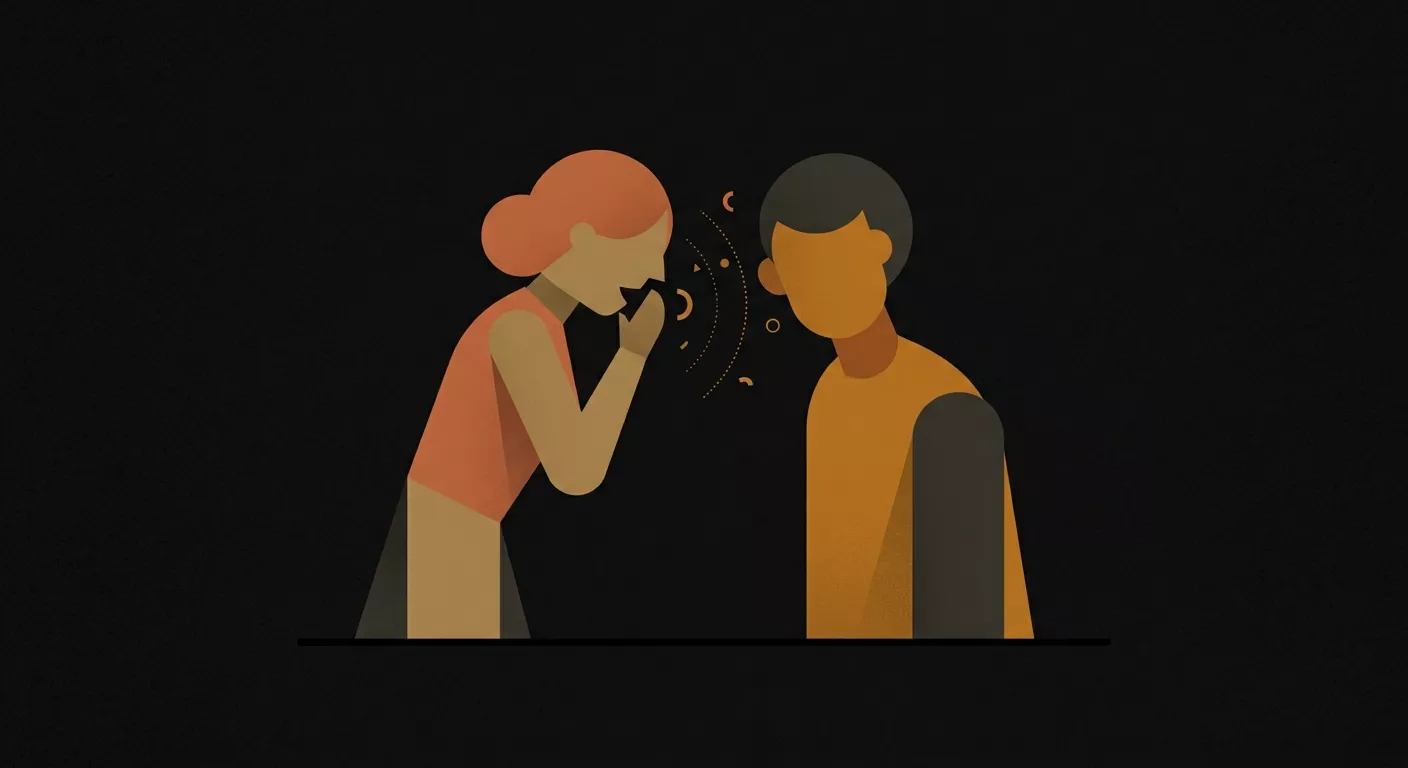
The most powerful form of marketing isn't an ad or a landing page. It's one person telling another: you have to try this.
Think about how you found the products you love most. Not the ones you use. The ones you love. The restaurant you go back to every month. The software tool you'd be annoyed to lose. The newsletter you actually read. Chances are, someone told you about it. Not a company. A person.
Word of mouth isn't a channel you can buy. It's a behavior you can earn. And the way you earn it is by giving people something that feels like a discovery — something they want to share because sharing it makes them look good.
This is the part most companies get wrong. They think word of mouth comes from satisfaction. Make a good product, deliver good service, and people will talk about you. But satisfaction doesn't drive sharing. Discovery does. Nobody tells their friends about a product that works fine. They tell their friends about a product that surprised them.
The surprise can be small. Superhuman made email feel fast. That's it. Email had been slow for so long that people forgot it didn't have to be. When you first used Superhuman, the speed was jarring. You wanted to tell someone. Not because you were satisfied — because you were surprised.
Notion let you build tools that felt custom without writing code. Linear made issue tracking feel like a video game. These products didn't grow because of their features. They grew because using them felt like being in on a secret. And people love sharing secrets.
There's a psychological reason for this. When you recommend something to a friend, you're not doing the company a favor. You're doing yourself a favor. You're signaling taste. You're saying "I found this thing, and it says something about me that I found it." The product is a proxy for your judgment.
This is why the best word-of-mouth products tend to be slightly hard to get into. Not artificially gated — just specific enough that not everyone needs them. If everyone uses it, there's no status in recommending it. Nobody tells their friends to try Google. But they'll tell their friends about the obscure tool that solved a specific problem in a clever way.
Companies try to manufacture this with referral programs. "Invite a friend, get $10." These work mechanically — you'll get some referrals. But they don't create the feeling. A referral driven by a coupon is a transaction. A referral driven by genuine enthusiasm is marketing gold. The first gets you a signup. The second gets you a customer who arrives already trusting you, because their friend vouched.
So how do you build something people want to share? You don't start with the sharing. You start with the surprise.
Find the one thing about your product that makes people react. The moment where they go "wait, it does that?" or "that's way easier than I expected." Then make that moment happen as early as possible in the user experience. Don't bury your best feature on page four of the settings menu. Put it front and center. Make it the first thing people encounter.
Then get out of the way. Don't ask for a review. Don't pop up a referral modal. Don't interrupt the moment with a "share this on Twitter" button. Just let the experience speak. If the surprise is real, people will talk. If it's not, no amount of prompting will help.
The companies that grow fastest on word of mouth are usually the ones that never explicitly ask for it. They just build something surprising and let humans do what humans do: tell each other about things that are worth knowing. This is also why the opposite of viral is often the better strategy — steady, organic sharing compounds in ways that spikes never do.
Make your product feel like a secret worth sharing. You don't need ads for this. The rest takes care of itself.